
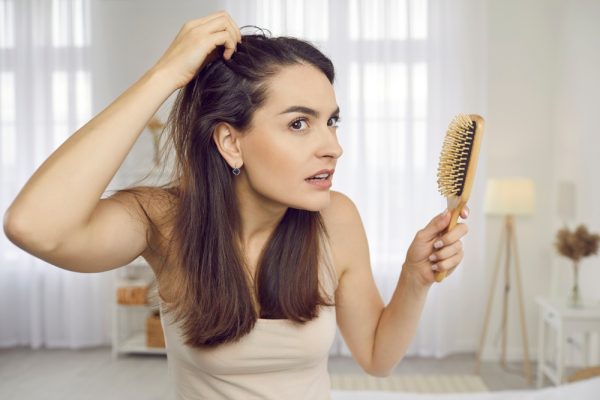
Hair loss can be caused by various factors, including genetics, stress, and illness. However, one of the lesser-known causes is vitamin deficiency. Several vitamins play crucial roles in maintaining healthy hair growth, and a lack of these nutrients can lead to thinning or even loss of hair. Here’s a breakdown of the key vitamins that are essential for hair health and how vitamin deficiency might affect your hair.
What Vitamin Deficiency Causes Hair Loss?
1. Vitamin D
Vitamin D is essential for maintaining healthy hair follicles. Research suggests that vitamin D deficiency can contribute to hair thinning and even a condition known as alopecia areata, where hair falls out in patches. Vitamin D helps regulate the growth and shedding of hair, and low levels can disrupt the hair growth cycle. Sources of vitamin D include sunlight exposure, fortified foods, and fatty fish.
2. Vitamin B12
Vitamin B12 is vital for red blood cell production and for maintaining healthy nerve function. It’s also key for hair health, as it helps carry oxygen to the scalp, promoting the growth of hair follicles. A deficiency in B12 can lead to hair thinning and hair loss. B12 is found in animal-based foods, such as meat, dairy, and eggs, making vegetarians and vegans more susceptible to a deficiency.
3. Biotin (Vitamin B7)
Biotin, part of the B-vitamin complex, is one of the most well-known vitamins for hair health. It is essential for the production of keratin, the protein that makes up hair, skin, and nails. A deficiency in biotin can lead to brittle hair, hair thinning, and even hair loss. Biotin is commonly found in foods like eggs, nuts, and seeds, and is often added to hair supplements.
4. Vitamin A
Vitamin A plays an important role in maintaining healthy skin and scalp by helping to produce sebum, the natural oil that moisturizes the scalp. However, too much vitamin A can cause hair loss, so it’s important to maintain the right balance. A deficiency, on the other hand, can lead to dry and brittle hair. Carrots, sweet potatoes, and spinach are excellent sources of vitamin A.
5. Vitamin C
Vitamin C is an antioxidant that helps protect hair follicles from damage caused by free radicals. It is also essential for collagen production, which strengthens hair strands. A deficiency in vitamin C can lead to hair breakage, dullness, and even slower hair growth. Citrus fruits, bell peppers, and broccoli are rich in vitamin C.
6. Iron
Iron is essential for the production of hemoglobin, a protein in red blood cells that carries oxygen throughout the body, including to the hair follicles. Low iron levels (iron deficiency) are a common cause of hair loss, especially in women. Iron-rich foods include red meat, lentils, spinach, and fortified cereals.
7. Folate (Vitamin B9)
Folate is important for the formation of red blood cells and the proper functioning of the hair follicles. A lack of folate can lead to hair thinning and even premature graying. Folate is found in leafy greens, citrus fruits, and legumes.
How to Address Vitamin Deficiencies for Hair Growth
If you suspect your hair loss is linked to a vitamin deficiency, the first step is to get a proper diagnosis. A healthcare provider can perform a blood test to check for deficiencies and recommend the appropriate treatment.
Here are some general tips to maintain healthy vitamin levels for hair growth:
- Eat a balanced, nutrient-rich diet: Focus on incorporating a variety of vitamins and minerals into your daily meals.
- Consider supplements: If you’re unable to meet your vitamin needs through food, supplements may be an option. Always consult with a healthcare provider before starting any new supplements.
- Manage stress: Stress can interfere with nutrient absorption and trigger hair loss, so finding ways to relax is key to overall health.
- Stay hydrated: Drinking plenty of water is essential for your hair, as dehydration can affect hair strength and growth.
Frequently Asked Questions About What Vitamin Deficiency Causes Hair Loss?
1. Can vitamin deficiency cause hair loss?
Yes, a lack of certain vitamins and minerals can contribute to hair loss. Deficiencies in vitamins like vitamin D, biotin (B7), vitamin E, iron, zinc, vitamin A, and vitamin C can disrupt hair growth and lead to thinning or shedding. Ensuring you get adequate amounts of these nutrients can support healthy hair growth.
2. Which vitamin deficiency is most commonly linked to hair loss?
Vitamin D deficiency is most commonly linked to hair loss. It plays a key role in the creation of new hair follicles, and a lack of vitamin D can lead to conditions like telogen effluvium, where hair falls out prematurely. Biotin (B7) and iron deficiencies are also common culprits in hair loss.
3. How can I know if my hair loss is caused by a vitamin deficiency?
If you notice significant hair thinning or shedding and suspect a deficiency, it’s best to consult a healthcare provider. A blood test can help identify any deficiencies. Along with hair loss, other signs like fatigue, pale skin, or brittle nails may indicate a vitamin deficiency.
4. How does vitamin D affect hair growth?
Vitamin D helps in the growth and regeneration of hair follicles. It stimulates hair follicle cells to develop and creates new follicles, which is essential for healthy hair growth. A deficiency can cause hair follicles to become dormant, leading to thinning and hair loss.
5. Can biotin prevent hair loss?
Biotin, also known as vitamin B7, is crucial for the production of keratin, the protein that forms the structure of hair. While biotin deficiency can lead to hair thinning or loss, taking biotin supplements can help if you’re deficient. However, if you’re not deficient in biotin, supplementation may not necessarily improve hair health.
6. What other symptoms suggest a vitamin deficiency related to hair loss?
In addition to hair loss, common symptoms of a vitamin deficiency might include fatigue, weakness, brittle nails, dry skin, or a pale complexion. If you experience these signs along with hair thinning, a deficiency might be the cause.
Wrap Up
Vitamin deficiencies can play a significant role in hair loss, but the good news is that correcting these deficiencies can help restore hair health. By ensuring that you get enough vitamin D, biotin, vitamin E, iron, zinc, vitamin A, and vitamin C, you can support your hair’s natural growth process. If you’re concerned about your hair loss, it’s always a good idea to consult with a healthcare provider to identify any underlying deficiencies and find the best approach to regain your hair health.
Leave a Reply