
As pet owners, we always want the best for our furry friends, from their nutrition to their overall health. So, when you notice your dog scratching or flaking, you may start to wonder why they have dandruff. While it may seem like a minor issue, dandruff can be a sign of an underlying problem that needs attention. Why does your dog have dandruff? Understanding the causes of dog dandruff and how to address it can help ensure your pet remains comfortable and healthy.
Why Does My Dog Have Dandruff?
Dandruff in dogs appears as flaky, dry skin that often shows up on the dog’s coat or is visible on furniture and bedding. While it’s more noticeable in dogs with darker fur, it can affect dogs of all colors and sizes. In addition to the flakes, your dog might scratch, lick, or bite the affected areas. Dandruff is typically a symptom of an underlying issue, such as dry skin or skin conditions.
Common Causes of Dog Dandruff
- Dry Skin: Just like humans, dogs can suffer from dry skin, especially in colder months or in areas with low humidity. When the skin becomes dry, it flakes off, leading to dandruff. This is often the result of a lack of moisture, whether from environmental factors or inadequate grooming.
- Allergies: Dogs are prone to environmental, food, and flea allergies, all of which can cause skin irritation and dandruff. When your dog’s immune system reacts to allergens, it can lead to inflammation, itching, and flaking. Common allergens include pollen, dust mites, certain foods, and flea bites.
- Parasites: Fleas, ticks, and mites are common culprits of skin issues in dogs. Fleas, in particular, can cause intense itching and irritation, leading to flaky skin. Mites, including those that cause mange, can also result in dandruff-like flakes and other skin issues that require veterinary attention.
- Poor Diet: A dog’s diet plays a crucial role in the health of their skin and coat. If your dog is not getting the proper nutrients—especially essential fatty acids—it can lead to dry, flaky skin. A lack of vitamins, minerals, or quality protein can result in a dull, unhealthy coat and dandruff.
- Underlying Skin Conditions: Various skin conditions can lead to dandruff, such as seborrhea, a common disorder that causes excessive oil production, followed by flaking and scaling. Other conditions like fungal infections, bacterial infections, or even hypothyroidism (an underactive thyroid) can also contribute to flaky skin in dogs.
- Lack of Grooming: Regular grooming is essential to keeping your dog’s coat healthy. Without proper brushing and bathing, dead skin cells and fur can accumulate, leading to the appearance of dandruff. Additionally, failing to remove tangles or mats can trap debris and moisture, exacerbating the problem.
- Environmental Factors: Extreme temperatures, dry indoor heating, or constant exposure to water (such as frequent baths or swimming) can cause your dog’s skin to become dry and flaky. These environmental factors can strip moisture from their skin, leading to dandruff.
How to Treat Dandruff in Dogs
- Moisturize the Skin: If your dog’s dandruff is caused by dry skin, using a moisturizing shampoo or a pet-safe conditioner can help restore hydration to their coat. Some shampoos are specifically formulated to combat dry skin and dandruff, providing relief by adding moisture and soothing irritation.
- Improve Diet: Ensuring your dog’s diet is rich in essential fatty acids, vitamins, and minerals can improve their skin health. Look for high-quality dog food that contains omega-3 and omega-6 fatty acids to support a shiny, healthy coat. You can also add fish oil supplements to their diet, but be sure to consult your vet before doing so.
- Flea Prevention: If fleas are the cause of your dog’s dandruff, it’s crucial to address the infestation as soon as possible. Use a flea treatment recommended by your vet to eliminate fleas and prevent future outbreaks. Keeping your dog’s environment clean and using flea-prevention products regularly will also help.
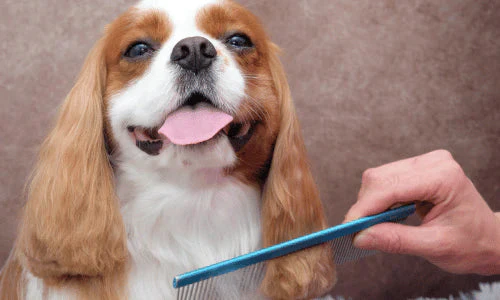
- Regular Grooming: Regular brushing helps remove dead skin cells and loose fur, preventing buildup that can lead to dandruff. Additionally, brushing stimulates blood flow to the skin and distributes natural oils throughout the coat, promoting healthier skin.
- Hydrate and Humidify: If your home’s air is too dry, consider using a humidifier to add moisture to the air. This can help alleviate dry skin caused by low humidity, especially in winter when heating systems dry out the air indoors. Also, ensure your dog has access to fresh water at all times to stay hydrated.
- Visit the Vet: If your dog’s dandruff is persistent, severe, or accompanied by other symptoms such as hair loss, sores, or redness, it’s important to consult your vet. The vet can help diagnose any underlying conditions, such as seborrhea, allergies, or infections, and recommend the appropriate treatment.
Preventing Dandruff in Dogs
- Regular grooming to remove dead skin cells and prevent buildup.
- Use a moisturizing shampoo designed for dogs to prevent dry skin.
- Maintain a healthy diet rich in fatty acids and nutrients to promote skin and coat health.
- Ensure proper flea prevention to avoid flea-induced dandruff.
- Avoid over-bathing, as it can strip the natural oils from your dog’s skin.
- Maintain a healthy environment with adequate humidity to prevent dryness.
Frequently Asked Questions About Why My Dog Has Dandruff
1. What causes dandruff in dogs?
Dandruff in dogs can be caused by several factors, including dry skin, allergies, flea infestations, seborrhea (a skin condition), poor diet, and underlying health issues like hormonal imbalances or infections. Environmental factors such as low humidity or frequent bathing can also contribute to dandruff.
2. How can I tell if my dog’s dandruff is serious?
If your dog’s dandruff is accompanied by excessive scratching, hair loss, redness, sores, or changes in behavior, it may indicate an underlying health issue. Persistent dandruff that doesn’t improve with basic care should be examined by a vet.
3. Can dandruff in dogs be treated at home?
Yes, mild dandruff caused by dry skin can often be treated at home by using moisturizing shampoos, improving your dog’s diet, and ensuring they are groomed regularly. However, if the dandruff persists or is accompanied by other symptoms, a visit to the vet is recommended.
4. How can I prevent dandruff in my dog?
To prevent dandruff, make sure your dog is groomed regularly, use a moisturizing shampoo designed for dogs, maintain a balanced diet rich in fatty acids, and provide flea prevention. You can also use a humidifier to combat dry indoor air during colder months.
5. Is dandruff in dogs a sign of fleas?
Yes, fleas can cause dandruff due to constant scratching and biting at the skin. Fleas are a common cause of skin irritation and can lead to dry, flaky skin. If you suspect fleas, it’s important to treat your dog with flea-prevention products and consult your vet.
6. Can allergies cause dandruff in dogs?
Yes, allergies to food, environmental factors (like pollen or dust mites), or grooming products can cause skin inflammation and dandruff. Identifying and removing the allergen is key to resolving dandruff caused by allergies.
Conclusion
Dandruff in dogs can be a sign of a variety of factors, ranging from dry skin to allergies or more serious underlying health conditions. While the occasional flake may not be cause for concern, persistent or severe dandruff should be addressed to ensure your dog’s skin health. By understanding the possible causes of dandruff and taking the right steps to address it, you can help keep your dog comfortable, healthy, and free from flakes. If you’re unsure of the cause, always consult your vet for a thorough examination and appropriate treatment.
Leave a Reply