
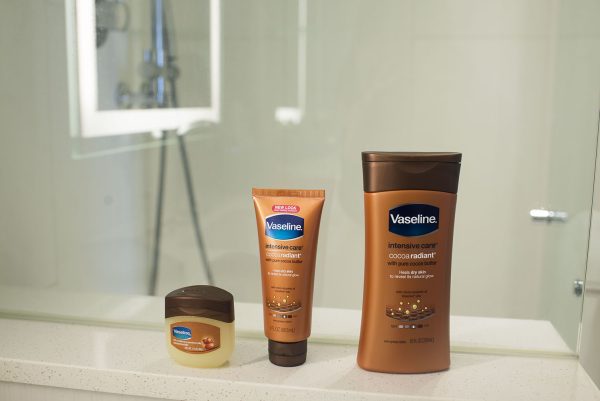
Is Vaseline a Good Moisturizer?
When it comes to skincare, many people wonder if Vaseline, a popular household product, is an effective moisturizer. Let’s break this down so you can make an informed decision about whether it’s right for your skin.
What is Vaseline?
Vaseline is a brand of petroleum jelly, a semi-solid mixture of hydrocarbons. It was originally created to help heal skin and protect it from moisture loss. Petroleum jelly is widely used for its ability to form a barrier on the skin, locking in hydration and preventing water loss.
How Does Vaseline Work as a Moisturizer?
Vaseline acts as an occlusive. This means it forms a protective layer on the skin’s surface to trap moisture underneath. While it doesn’t directly add moisture to your skin, it prevents dehydration by keeping the moisture already present in your skin from escaping.
However, Vaseline doesn’t contain humectants (ingredients like glycerin or hyaluronic acid that draw water into the skin) or emollients (ingredients that soften and smooth the skin). This makes it less effective for deeply hydrating the skin compared to products that contain a mix of humectants, emollients, and occlusives.
Who Can Benefit from Using Vaseline?
- Dry or Cracked Skin: Vaseline works well for people with dry or cracked skin by sealing in moisture and providing relief.
- Sensitive Skin: Since it’s non-comedogenic (doesn’t clog pores) and fragrance-free, it’s suitable for sensitive skin.
- Chapped Lips: Vaseline is a great option for protecting and soothing dry or cracked lips.
- Cuts and Burns: Its barrier properties help protect minor wounds and burns while they heal.
Who Should Avoid Vaseline?
People with oily or acne-prone skin might find Vaseline too heavy. While it doesn’t clog pores for most, its thick texture can feel uncomfortable, especially in humid climates. Additionally, it’s not the best choice if you’re looking for a multi-functional moisturizer with added benefits like anti-aging or brightening.
Alternatives to Vaseline for Moisturizing
If you’re looking for alternatives to Vaseline that provide more hydration or additional benefits, consider these options:
- CeraVe Moisturizing Cream – Contains ceramides and hyaluronic acid for hydration and skin barrier support.
- Aquaphor Healing Ointment – Similar to Vaseline but enriched with other ingredients like lanolin and glycerin.
- Neutrogena Hydro Boost Gel-Cream – Features hyaluronic acid for a lightweight yet hydrating experience.
- Eucerin Advanced Repair Cream – Combines humectants and emollients for deep hydration.
- Aveeno Daily Moisturizing Lotion – Contains colloidal oatmeal, which soothes and hydrates the skin.
Frequently Asked Questions about Vaseline
1. Can Vaseline be used as a daily moisturizer?
Yes, Vaseline can be used daily, especially for dry areas, but it may not provide enough hydration for all skin types.
2. Does Vaseline clog pores?
No, Vaseline is non-comedogenic, meaning it doesn’t clog pores. However, its texture can feel heavy on oily or acne-prone skin.
3. Can Vaseline replace my regular moisturizer?
Not entirely. Vaseline is better for locking in moisture than providing hydration, so combining it with a hydrating product is ideal.
4. Is Vaseline safe for sensitive skin?
Yes, Vaseline is fragrance-free and gentle, making it safe for most sensitive skin types.
5. Can Vaseline help with eczema?
Yes, Vaseline’s occlusive properties can help soothe and protect eczema-prone skin.
6. Is Vaseline good for oily skin?
It’s not ideal for oily skin because it can feel heavy, but it won’t clog pores.
7. Can Vaseline be used on the face?
Yes, but use it sparingly, especially if you have oily or acne-prone skin.
8. Does Vaseline work on wrinkles?
While Vaseline doesn’t reduce wrinkles, it can lock in moisture, which may temporarily improve skin’s appearance.
9. Can I use Vaseline on my lips?
Yes, Vaseline is excellent for moisturizing and protecting lips.
10. Is Vaseline safe for children?
Yes, Vaseline is safe for children and can be used to treat dry skin or minor cuts and scrapes.
Conclusion
Vaseline can be a good moisturizer for certain situations, especially for sealing in hydration and protecting the skin. However, it’s not a one-size-fits-all solution. For those who need deeper hydration or additional benefits, look for moisturizers that combine humectants, emollients, and occlusives. Always consider your skin type and needs when choosing skincare products to ensure your skin stays healthy and nourished.
Leave a Reply