
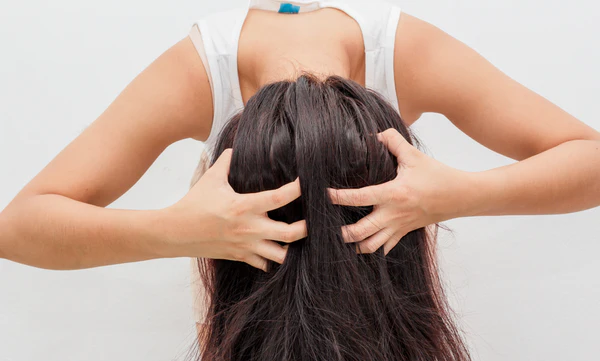
Dandruff, characterized by flaky skin on the scalp, is a common issue that can be frustrating and embarrassing. It’s often caused by factors such as an overgrowth of a yeast-like fungus (Malassezia), dry skin, or sensitivity to certain hair products. While eliminating dandruff permanently may require consistency and lifestyle changes, it is achievable with the right approach. This article will provide a comprehensive guide on how you can remove dandruff permanently.
How to Remove Dandruff Permanently
1. Use Anti-Dandruff Shampoo
Anti-dandruff shampoos are formulated to target the root causes of dandruff. Look for active ingredients such as:
- Zinc Pyrithione: Reduces fungus and bacteria on the scalp.
- Ketoconazole: An antifungal agent effective against Malassezia.
- Salicylic Acid: Exfoliates the scalp, removing flakes.
- Coal Tar: Slows down skin cell turnover.
- Selenium Sulfide: Reduces fungal growth and prevents excess oil.
Tip: Use the shampoo 2-3 times a week initially, and then reduce frequency as symptoms improve.
2. Maintain a Healthy Scalp Routine
- Wash Regularly: Keep your scalp clean by washing 2-3 times a week with a mild shampoo.
- Exfoliate: Use a scalp scrub to remove buildup and dead skin cells.
- Moisturize: If your dandruff is due to dryness, use a hydrating conditioner or hair mask.
3. Try Natural Remedies
- Tea Tree Oil: Its antifungal and antibacterial properties help reduce dandruff. Add a few drops to your shampoo or dilute it with a carrier oil and apply directly.
- Aloe Vera: Soothes the scalp and reduces inflammation. Apply fresh aloe vera gel to your scalp and leave it for 20 minutes before rinsing.
- Apple Cider Vinegar: Balances scalp pH and reduces fungal growth. Mix equal parts water and apple cider vinegar, apply to the scalp, and rinse after 15 minutes.
- Coconut Oil: Moisturizes the scalp and combats Malassezia. Massage it into the scalp and leave it overnight.
4. Improve Your Diet
A healthy diet can support scalp health. Include:
- Zinc-rich foods: Nuts, seeds, and seafood.
- Vitamin B: Whole grains, eggs, and dairy.
- Omega-3 Fatty Acids: Fatty fish, flaxseeds, and walnuts.
- Probiotics: Yogurt and fermented foods.
5. Avoid Triggers
- Hair Products: Avoid harsh chemicals and opt for sulfate-free shampoos.
- Heat Styling: Excessive heat can dry out the scalp and worsen dandruff.
- Stress: Manage stress with yoga, meditation, or exercise, as it can exacerbate dandruff.
6. Consult a Dermatologist
If dandruff persists despite these efforts, it might be a sign of a more severe scalp condition like psoriasis or eczema. A dermatologist can recommend stronger treatments, such as prescription shampoos or topical steroids.
Can Dandruff Be Permanently Eliminated?
While dandruff can often be controlled, permanent elimination depends on its cause. For example, fungal dandruff may require ongoing maintenance with anti-dandruff products, while dandruff from dryness or product sensitivity can be resolved by addressing the root issue.
Frequently Asked Questions About How to Remove Dandruff Permanently
1. Can dandruff be permanently removed?
Dandruff can often be controlled and even eliminated with consistent care. However, since it may be caused by chronic conditions like seborrheic dermatitis or fungal growth, it may require ongoing maintenance to prevent recurrence.
2. What are the most effective treatments for dandruff?
The most effective treatments include using anti-dandruff shampoos with active ingredients like zinc pyrithione, ketoconazole, selenium sulfide, or salicylic acid. Natural remedies like tea tree oil, apple cider vinegar, and aloe vera can also help.
3. How often should I use anti-dandruff shampoo?
Initially, use anti-dandruff shampoo 2-3 times a week to reduce symptoms. Once dandruff improves, reduce usage to once a week or as needed for maintenance.
4. Can diet affect dandruff?
Yes, diet plays a role in scalp health. Zinc, omega-3 fatty acids, vitamin B, and probiotics can support a healthy scalp and reduce dandruff.
5. Does stress contribute to dandruff?
Stress doesn’t directly cause dandruff but can exacerbate it by weakening the immune system, making the scalp more susceptible to fungal growth or inflammation.
6. Are natural remedies effective for dandruff?
Yes, natural remedies like tea tree oil, coconut oil, aloe vera, and apple cider vinegar can reduce dandruff by hydrating the scalp, balancing pH, or fighting fungal growth.
Conclusion
While dandruff can be persistent, it’s not impossible to remove it permanently. By combining medicated treatments, natural remedies, proper scalp care, and a healthy lifestyle, you can effectively control and prevent dandruff. Remember, patience and consistency are vital for long-term results. If dandruff continues to be an issue, consult a professional to address any underlying conditions. With the right approach, you’ll be on your way to a flake-free, healthier scalp.
It’s unbelievable how effective herbal herb medication can be, I never thought herbal medicine could cure HERPES VIRUS until I came across Dr Okosun, and it wouldn’t have been possible for me to get cured off my 15 years HERPES VIRUS without the kind support and help from Dr Okosun herbs, an african herbalist who cured me permanently from HSV with the use of herbal supplements within 5 weeks of usage and I will recommend yall with HSV and any health issues to dr okosun, for he cured me and will cure you too
drokosun55@gmail .com