
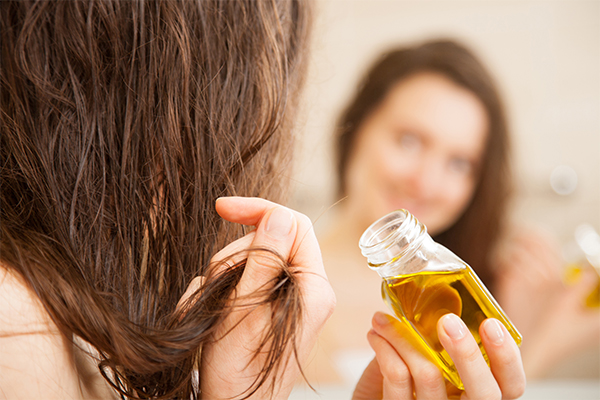
Oiling your hair is a time-honored beauty ritual that provides numerous benefits, from deep conditioning to improved hair growth. Whether you’re looking to nourish dry hair, combat hair loss, or simply enhance shine, oiling can be a natural and effective way to care for your hair. In this article, we’ll walk you through the process of how to oil your hair, the best oils to use, and tips for getting the most out of this rejuvenating treatment.
How to Oil Your Hair
Step 1: Choose the Right Oil for Your Hair Type
Different hair types and concerns require different oils. Here are some oils to consider based on your hair needs:
- Coconut Oil: Ideal for dry, frizzy, and damaged hair. It penetrates the hair shaft deeply, providing intense moisture and nourishment.
- Argan Oil: Perfect for adding shine and softness to dry or coarse hair. It also helps with frizz control and prevents split ends.
- Olive Oil: Great for nourishing both the scalp and hair. It can improve hair strength and elasticity, making it an excellent choice for dry or brittle hair.
- Castor Oil: Often used to encourage hair growth and thicken hair, castor oil is rich in fatty acids and vitamin E.
- Jojoba Oil: Ideal for balancing oil production on the scalp, making it suitable for both dry and oily hair types.
- Almond Oil: This oil helps improve hair texture and shine while promoting a healthy scalp, making it great for normal to dry hair.
Step 2: Prepare Your Hair
Before you begin oiling, it’s important to prepare your hair. You can oil your hair either on damp or dry hair, but damp hair is often easier to manage because it helps the oil spread more evenly. If you choose to oil dry hair, make sure your hair is free from tangles and dirt.
Tips:
- If your hair is extremely dry or tangled, consider gently combing it through before applying oil to avoid breakage.
- Make sure your scalp is clean and free from excess styling products or buildup.
Step 3: Warm the Oil (Optional)
Warming the oil can help it penetrate your hair and scalp better. Place the oil in a small bowl or container and warm it slightly in a microwave (for about 10-15 seconds) or in a bowl of hot water. Be cautious not to overheat it—lukewarm oil is sufficient.
Tip: If you prefer, you can skip the warming step, especially if you’re using oils like argan or jojoba that work well at room temperature.
Step 4: Apply the Oil to Your Scalp
Now it’s time to apply the oil. Start by focusing on your scalp, as this is where the oil will have the most benefit. Use your fingertips to massage the oil into your scalp gently, using circular motions. This helps improve blood circulation, which can promote hair growth and reduce scalp tension.
Tip: Part your hair in sections to ensure even oil distribution, especially if you have thick hair.
Step 5: Work the Oil Through the Hair
Once the scalp is well-oiled, move on to the rest of your hair. Take a small amount of oil in your hands and gently work it through the lengths and ends of your hair. Avoid applying too much oil to the tips, as it could make your hair look greasy. Concentrate more on the ends, which tend to be drier.
Tip: Use a wide-tooth comb to distribute the oil evenly through your hair without causing breakage.
Step 6: Leave the Oil in for the Right Amount of Time
The amount of time you leave the oil in depends on your hair type and how much time you have. For deep conditioning, it’s best to leave the oil in for at least 30 minutes to 1 hour. If you’re looking for a quick moisture boost, you can leave it in for 15-20 minutes.
For best results, many people choose to leave the oil in overnight. If you plan to do this, cover your hair with a shower cap or old towel to prevent staining your pillowcase.
Tip: If you’re in a hurry, applying heat (such as wrapping a warm towel around your hair) can help the oil penetrate the hair and scalp more effectively.
Step 7: Wash the Oil Out
After the recommended time, it’s time to wash out the oil. Use a mild, sulfate-free shampoo to gently cleanse your hair. You may need to shampoo twice to fully remove the oil, especially if you use a thick oil like castor oil.
Tip: Avoid using hot water to rinse your hair, as it can strip the scalp of natural oils and make your hair feel drier.
Step 8: Condition and Style as Usual
After rinsing out the oil, follow up with your usual conditioner. This will help seal in moisture and leave your hair feeling soft and manageable. Style your hair as you normally would, and enjoy your refreshed, nourished locks.
Tips for Effective Hair Oiling
- Don’t Overdo It: Applying too much oil can weigh your hair down and make it greasy. A small amount goes a long way.
- Consistency is Key: For the best results, make hair oiling a regular part of your routine. Aim for once or twice a week, depending on your hair’s needs.
- Choose the Right Oil for Your Scalp: If you have an oily scalp, avoid using heavy oils and instead opt for lighter oils like jojoba or almond. For dry scalps, oils like coconut and olive oil are more beneficial.
- Massage Your Scalp: A gentle scalp massage helps stimulate blood flow, which can support healthy hair growth.
Frequently Asked Questions About How to Oil Your Hair
1. Why should I oil my hair?
Answer: Oiling your hair helps nourish the scalp, strengthens the hair, prevents dryness, reduces split ends, promotes healthy hair growth, and improves shine. It also provides deep conditioning and can help treat dandruff or an itchy scalp.
2. Can I oil my hair overnight?
Answer: Yes, leaving oil in overnight can offer deeper conditioning. Just be sure to protect your pillowcase with a towel or shower cap. However, if you have an oily scalp, overnight oiling may not be necessary.
3. Should I warm the oil before applying it?
Answer: Warming the oil slightly can help it penetrate the hair better. However, ensure the oil is not too hot to avoid scalp burns. Warm it for about 10-15 seconds or use a bowl of warm water to heat it gently.
4. How do I apply oil to my hair?
Answer: Divide your hair into sections, apply oil to your scalp, and massage gently for a few minutes. Then, apply oil to the lengths and ends of your hair. Use a wide-tooth comb to distribute the oil evenly.
5. Can oiling my hair cause it to become greasy?
Answer: Yes, applying too much oil can make your hair greasy and difficult to wash. Be sure to use a small amount, especially if you have fine or oily hair, and wash it thoroughly afterward.
6. Do I need to shampoo twice to remove oil?
Answer: If you have used a lot of oil, you may need to shampoo twice to fully remove it. The second wash will help remove excess oil and leave your hair feeling clean without residue.
7. Can I use any oil on my hair?
Answer: It’s best to use natural, cold-pressed oils without additives or chemicals. Avoid oils with artificial fragrances or preservatives, as they can irritate the scalp and damage hair over time.
Conclusion
Oiling your hair is a simple yet effective way to enhance hair health, promote growth, and add shine. Whether you use coconut oil, argan oil, or castor oil, the process can help nourish your scalp and hair from the roots to the ends. By following these steps and using the right oil for your hair type, you’ll be well on your way to achieving healthier, more beautiful hair. So, take the time to indulge in this ancient hair care practice, and your hair will thank you for it.
Leave a Reply