
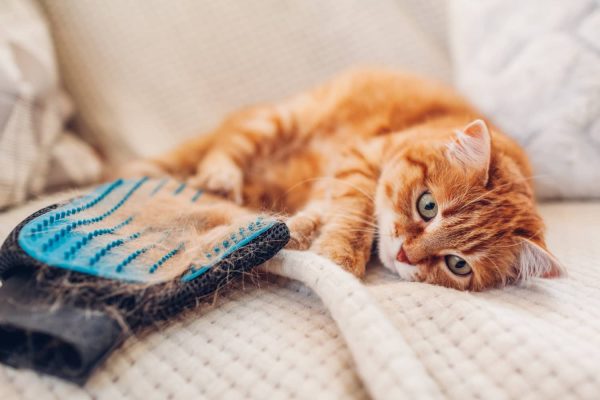
Cat hair loss, also known as alopecia, is a common issue that can leave pet owners concerned. While it’s always a good idea to consult a veterinarian for persistent or severe cases, several home treatments can help manage and prevent hair loss in cats. Understanding the underlying causes is essential to finding the right solution for your feline friend. This article covers home remedies for cat hair loss, common causes of hair loss, and when to consult a vet.
Home Remedies for Cat Hair Loss
1. Flea Control
Fleas are a leading cause of hair loss in cats.
Solution: Regularly use a vet-approved flea treatment or flea comb to remove fleas. Clean your cat’s bedding and living area thoroughly to eliminate fleas and eggs.
2. Balanced Diet
Nutritional deficiencies can lead to hair loss.
Solution: Ensure your cat’s diet includes high-quality protein, omega-3 fatty acids, and essential vitamins. Supplement with fish oil or a vet-approved fatty acid supplement to promote a healthy coat.
3. Aloe Vera Gel
Aloe vera soothes irritated skin and reduces inflammation.
How to Use: Apply a small, diluted amount of aloe vera gel to the affected area. Ensure your cat does not ingest it, as it can be toxic in large amounts.
4. Coconut Oil
Coconut oil has antimicrobial properties and helps moisturize dry skin.
How to Use: Rub a small amount onto bald patches or dry areas, avoiding excessive use.
5. Oatmeal Bath
An oatmeal bath can relieve itchy and irritated skin.
How to Use: Grind plain oatmeal into a fine powder, mix it into warm water, and gently bathe your cat.
6. Keep the Environment Stress-Free
Stress can cause over-grooming and hair loss.
Solution: Provide a calm, secure environment with plenty of hiding spots, toys, and attention. Pheromone diffusers like Feliway can help reduce anxiety.
7. Maintain Skin Hygiene
Regular grooming prevents matting and promotes healthy skin.
Solution: Brush your cat regularly to remove loose fur, dirt, and allergens.
Common Causes of Cat Hair Loss
Before treating hair loss, it’s important to understand the potential causes:
- Allergies: Food, environmental factors (like pollen), or flea bites can trigger allergic reactions.
- Parasites: Fleas, mites, or ticks can irritate, leading to excessive grooming and hair loss.
- Skin Infections: Fungal (like ringworm) or bacterial infections can result in patchy bald spots.
- Stress or Anxiety: Emotional distress can lead to over-grooming, causing hair loss.
- Nutritional Deficiencies: A poor diet lacking essential nutrients can affect coat health.
- Medical Conditions: Hormonal imbalances (like hyperthyroidism) or other illnesses may also be to blame.
If the hair loss persists or worsens, consult a veterinarian to rule out serious conditions.
When to See a Vet
While home treatments can address mild hair loss, some cases require professional attention. Contact your vet if you notice:
- Persistent or worsening hair loss.
- Red, swollen, or oozing skin.
- Signs of pain, lethargy, or loss of appetite.
- Bald patches are accompanied by itching or sores.
- Hair loss is caused by infections, hormonal imbalances, or parasites.
Preventing Cat Hair Loss
- Regular Vet Checkups: Early detection of health issues.
- Parasite Prevention: Consistent flea and tick prevention.
- High-Quality Diet: Ensuring balanced nutrition.
- Stress Management: Providing a safe, enriching environment.
Frequently Asked Questions About Home Remedies for Cat Hair Loss
1. What are the common causes of hair loss in cats?
Hair loss in cats can result from fleas, allergies, stress, skin infections, or underlying health conditions like hormonal imbalances. Identifying the root cause is crucial for effective treatment.
2. Can I use coconut oil to treat my cat’s hair loss?
Yes, coconut oil can be applied in small amounts to soothe dry or irritated skin. It also has antibacterial and antifungal properties, which may help with minor skin infections.
3. How can I treat cat hair loss caused by fleas?
Use a flea comb to remove fleas, wash your cat’s bedding regularly, and apply a vet-approved flea prevention product. You can also sprinkle diatomaceous earth in your home to eliminate fleas safely.
4. Is an oatmeal bath safe for cats with hair loss?
Yes, an oatmeal bath can help soothe itchy or irritated skin. Blend plain, unsweetened oatmeal into a powder, mix with warm water, and gently apply it to your cat’s coat.
5. Can dietary changes help with cat hair loss?
Improving your cat’s diet can promote skin and coat health. Choose high-quality cat food rich in omega-3 and omega-6 fatty acids or consider adding fish oil supplements after consulting your vet.
6. Are there natural remedies for fungal infections causing hair loss?
Diluted apple cider vinegar (1 part vinegar to 3 parts water) can be applied to affected areas to fight mild fungal infections. Always avoid sensitive areas like the eyes.
7. How can I reduce stress-related hair loss in my cat?
Provide a calm and secure environment with hiding spots and vertical spaces. Use calming aids like Feliway diffusers, and engage in regular playtime to reduce your cat’s anxiety.
8. Can I use essential oils to treat my cat’s hair loss?
No, many essential oils are toxic to cats. Avoid using tea tree, eucalyptus, or any other essential oils unless specifically recommended by a veterinarian.
Final Thoughts
Hair loss in cats can often be managed at home with proper care, grooming, and attention to diet and environment. However, understanding the root cause is crucial to effectively addressing the issue. With these home treatments and preventive measures, your cat can enjoy a healthy coat and a happy life. If symptoms persist or worsen, always seek veterinary advice to ensure your cat’s health and well-being.
Leave a Reply