
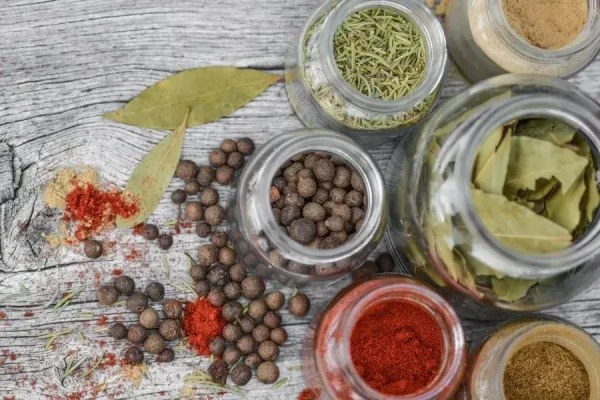
Herbs have been used for centuries in traditional medicine to promote hair growth and improve hair health. Many plants contain essential nutrients, antioxidants, and compounds that nourish the scalp, strengthen hair follicles, and encourage new growth. Whether you want to address hair thinning, bald spots, or simply improve overall hair quality, certain herbs have proven to be effective. In this article, we will look at some of the best herbs for hair growth, their benefits, and how to use them.
Herbs for Hair Growth
1. Rosemary
Rosemary is one of the most popular herbs for hair growth. It stimulates blood circulation to the scalp, which helps deliver vital nutrients to hair follicles. Rosemary oil is believed to promote thicker hair, reduce hair thinning, and even prevent premature graying. It also has antifungal and antimicrobial properties that help maintain scalp health.
How to use: Add a few drops of rosemary essential oil to a carrier oil like coconut or jojoba oil, then massage it into your scalp. Leave it on for 30 minutes before rinsing. Alternatively, you can use rosemary-infused water as a final rinse.
2. Peppermint
Peppermint oil is another powerhouse herb for hair growth. Its cooling effect increases circulation to the scalp, which can help promote hair growth by improving nutrient supply to hair follicles. Studies have shown that peppermint oil can significantly increase the number of follicles and hair depth in animal models.
How to use: Mix a few drops of peppermint oil with a carrier oil or your regular shampoo. Massage the mixture into your scalp and leave it on for 15-20 minutes before rinsing.
3. Horsetail
Horsetail contains silica, a mineral that is crucial for hair strength and growth. Silica improves the structure of hair strands, making them less prone to breakage and damage. Additionally, horsetail has anti-inflammatory properties that can help soothe the scalp and promote healthy hair follicles.
How to use: Horsetail can be taken as a supplement or brewed into a tea. You can also apply horsetail extract directly to your scalp to benefit from its growth-promoting properties.
4. Aloe Vera
Aloe vera is well-known for its soothing and moisturizing qualities, making it an excellent herb for both the scalp and hair. It helps reduce dandruff and scalp irritation, which can hinder hair growth. Aloe vera also promotes healthy sebum production, balancing the scalp’s oil levels and preventing clogged hair follicles.
How to use: Apply fresh aloe vera gel directly to the scalp, massaging it gently. Leave it on for 20-30 minutes before washing it off with a mild shampoo.
5. Saw Palmetto
Saw palmetto is commonly used in hair loss treatments because it inhibits the production of DHT (dihydrotestosterone), a hormone linked to hair thinning in both men and women. By reducing DHT levels, saw palmetto may help prevent hair loss and promote regrowth.
How to use: Saw palmetto is typically taken as a supplement, but it can also be applied topically in oil form to the scalp for added benefits.
6. Nettle
Nettle is a nutrient-rich herb that supports hair growth by improving circulation and promoting healthy hair follicles. It is high in vitamins A, C, and E, as well as minerals like iron, magnesium, and silica. These nutrients help nourish the scalp and stimulate healthy hair growth.
How to use: Nettle can be consumed as a tea or taken as a supplement. It can also be used in hair rinses to promote strength and shine.
7. Bhringraj
Bhringraj, known as the “king of herbs” for hair growth, has been used in Ayurvedic medicine for centuries to prevent hair loss and promote regrowth. It is rich in essential nutrients, such as vitamins and minerals, that nourish the scalp and promote healthy follicles.
How to use: Apply bhringraj oil to the scalp and leave it on for 30 minutes to an hour before washing. You can also mix bhringraj powder with water to create a paste and apply it as a hair mask.
8. Lavender
Lavender is not only relaxing but also beneficial for hair growth. It’s oil has been shown to increase the number of hair follicles and promote faster hair growth. Its antimicrobial properties help maintain a healthy scalp, reducing the risk of dandruff and irritation.
How to use: Add a few drops of lavender essential oil to a carrier oil or your shampoo. Massage into the scalp and leave it on for 15-20 minutes before rinsing.
9. Fenugreek
Fenugreek is a popular herb in hair care due to its high content of proteins and nicotinic acid, both of which promote hair growth and help combat hair loss. It also strengthens the hair shaft, reducing breakage and improving hair texture.
How to use: Soak fenugreek seeds overnight and grind them into a paste. Apply the paste to the scalp and hair, leaving it on for 30 minutes before washing it off with a mild shampoo.
10. Ginseng
Ginseng is known for its ability to stimulate blood circulation and enhance cell regeneration. This herb can help rejuvenate hair follicles, improve scalp health, and promote healthy hair growth. Ginseng is often used in both oral supplements and topical hair products.
How to use: Ginseng can be taken as a supplement, or you can use a ginseng-infused shampoo or hair mask to target the scalp and stimulate hair follicles.
Frequently Asked Questions About Herbs for Hair Growth
1. Do herbs work for hair growth?
Yes, many herbs have been shown to promote hair growth by nourishing the scalp, improving circulation, and strengthening hair follicles. Herbs like rosemary, peppermint, and ginseng have been used for centuries in hair care for their ability to stimulate hair growth and improve hair health.
2. Can I apply herbs directly to my scalp?
Yes, many herbs, such as rosemary and lavender, can be applied directly to the scalp in the form of essential oils mixed with a carrier oil (like jojoba or coconut oil). However, it’s important to perform a patch test before applying any herb or oil to ensure you don’t have an allergic reaction.
3. How long does it take for herbs to show results?
The results from using herbs for hair growth can vary depending on the herb and the individual’s hair growth cycle. It may take several weeks to months to see noticeable results. Consistency is key when using herbs for hair care.
4. Are there any side effects of using herbs for hair growth?
Herbs are generally safe when used correctly, but some individuals may experience allergic reactions or irritation. Always conduct a patch test before using any herb or essential oil on your scalp. If irritation occurs, discontinue use and consult with a healthcare professional.
5. Can I use herbs for hair growth in conjunction with other treatments?
Yes, you can often use herbs alongside other treatments for hair growth, such as topical medications or hair oils. However, it’s important to consult with a dermatologist or healthcare provider before combining treatments to avoid potential interactions.
6. Are there any herbs that can prevent hair loss?
Yes, several herbs can help prevent hair loss by addressing underlying causes like hormonal imbalances, poor circulation, or scalp health. Saw palmetto, for example, helps block DHT, a hormone linked to hair loss. Other herbs like ginseng and rosemary can stimulate hair follicles and improve scalp circulation, reducing hair thinning.
7. Can I take herbal supplements for hair growth?
Yes, many herbs are available in supplement form, such as saw palmetto, ginseng, and horsetail. These supplements may help promote hair growth by providing essential nutrients that support hair health from within. Always consult with a healthcare provider before starting any new supplement.
Conclusion
Herbs have been used for centuries to support hair health, and modern science is starting to validate their effectiveness in promoting hair growth. By incorporating these natural remedies into your hair care routine, you can enjoy stronger, healthier hair without the need for harsh chemicals. However, it’s essential to be patient, as natural remedies may take time to show results. Always do a patch test before using any new herb or oil to avoid skin irritation, and consult a healthcare professional if you have any concerns about using herbal treatments for hair loss.
Leave a Reply