

Facial Hair Growth
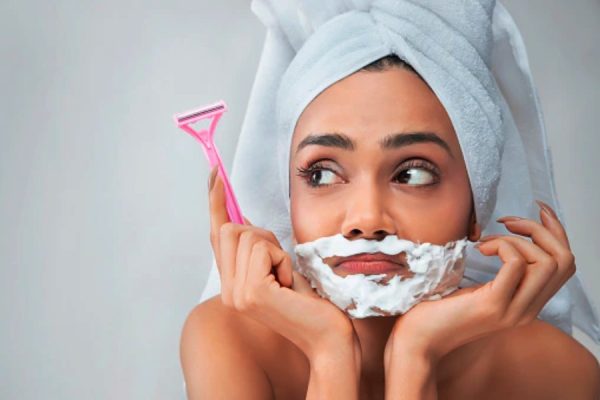
Facial hair growth has long been associated with masculinity, style, and cultural identity. For many, growing a beard or maintaining facial hair is more than a personal choice, it’s an expression of personality and a grooming challenge. However, the process of facial hair growth varies widely among individuals due to genetics, hormones, and lifestyle factors. This article explores the science behind facial hair growth, common challenges, and tips for fostering a fuller, healthier beard.
Causes of Facial Hair Growth
Facial hair growth is primarily influenced by hormones, genetics, and overall health.
1. Hormones:
- Testosterone plays a critical role in facial hair growth. Higher levels often result in thicker, fuller beards or mustaches in men.
- Hormonal imbalances in women, such as increased levels of androgens, can lead to excessive facial hair (a condition called hirsutism).
2. Genetics:
- Genetic predisposition greatly affects the density, texture, and growth pattern of facial hair. Some ethnic groups are naturally more predisposed to thicker and faster-growing facial hair.
3. Age:
- Facial hair typically begins developing during puberty. Growth and density continue to improve into a person’s late 20s or early 30s before stabilizing.
4. Health Conditions:
- Disorders such as polycystic ovary syndrome (PCOS), adrenal gland issues, or thyroid imbalances can trigger abnormal facial hair growth in women.
5. Nutrition:
- A balanced diet rich in vitamins and minerals like biotin, zinc, and vitamin D promotes healthy hair growth.
6. Stress and Sleep:
- Chronic stress and poor sleep can disrupt hormone levels, potentially slowing hair growth.
Tips for Enhancing Facial Hair Growth
- Healthy Diet: Incorporate protein-rich foods, nuts, seeds, and leafy greens to support hair growth.
- Proper Grooming: Use quality beard oils and balms to hydrate and strengthen the hair. Regularly trim and groom your facial hair for a polished look.
- Supplements: Biotin and other hair growth supplements can be helpful but consult a healthcare professional before starting any new regimen.
- Massage: Gentle facial massages can stimulate hair follicles and improve blood flow.
- Medical Treatments: For those struggling with sparse facial hair, treatments like minoxidil or hormone therapy may be considered after consulting with a doctor.
Tips for Managing Facial Hair Growth
For Men:
1. Enhancing Growth:
- Use products like beard oils or serums containing ingredients like argan oil, biotin, or caffeine.
- Massage the skin to improve blood flow to hair follicles.
- Maintain a healthy diet and exercise routine to optimize testosterone levels.
2. Shaping and Grooming:
- Trim regularly for a neat and uniform look.
- Use quality shaving products to reduce irritation.
For Women:
1. Managing Excess Growth:
- Temporary methods like waxing, threading, or depilatory creams.
- Permanent options like laser hair removal or electrolysis for long-term solutions.
- Consult a healthcare provider for hormonal treatments if excessive facial hair is due to a medical condition.
2. Natural Remedies:
- Some individuals use natural methods like turmeric masks or sugar-lemon scrubs to reduce hair growth over time.
Common Myths About Facial Hair Growth
- Shaving Makes Hair Grow Back Thicker: Shaving cuts hair at the surface, creating a blunt tip that may feel coarse but doesn’t affect the actual thickness or rate of growth.
- Frequent Trimming Enhances Growth: Trimming removes split ends and maintains appearance but does not influence hair growth from the follicle.
- Only Men Need Facial Hair Care: Women also benefit from managing facial hair growth, especially in cases of excessive growth due to medical or hormonal reasons.
Frequently Asked Questions About Facial Hair Growth
1. What age does facial hair typically start to grow?
Facial hair growth generally begins during puberty, typically between the ages of 12 and 16, but the extent and thickness of growth vary among individuals.
2. What causes facial hair to grow?
It is driven by testosterone and its derivative, dihydrotestosterone (DHT). These hormones stimulate the hair follicles, leading to beard development.
3. Can everyone grow a full beard?
Not everyone can grow a full beard due to genetic factors. Some individuals may have sparse or patchy hair growth regardless of age or hormonal levels.
4. How long does it take to grow a beard?
On average, facial hair grows about 0.3 to 0.5 millimeters per day, meaning it may take several weeks to months to grow a full beard, depending on the desired length and thickness.
5. Why is my beard patchy?
Patchy facial hair can be due to genetics, uneven hormone distribution, or immature hair follicles that may develop with age. In some cases, conditions like alopecia areata may also contribute.
6. Does shaving make facial hair grow faster or thicker?
No, shaving does not affect the rate or thickness of hair growth. The blunt ends left by shaving may make hair appear thicker, but it doesn’t change its actual growth characteristics.
7. Can diet affect facial hair growth?
Yes, a healthy diet rich in vitamins (like biotin, vitamin D, and zinc) and protein can support overall hair health, including facial hair growth.
Conclusion
Facial hair growth is a multifaceted process influenced by hormones, genetics, and lifestyle factors. Whether you’re aiming to grow a full beard or manage unwanted hair, understanding the underlying causes and exploring available solutions can help you achieve your desired look. From proper grooming and nutrition to medical treatments, there are numerous ways to support or manage facial hair growth effectively.
Leave a Reply