
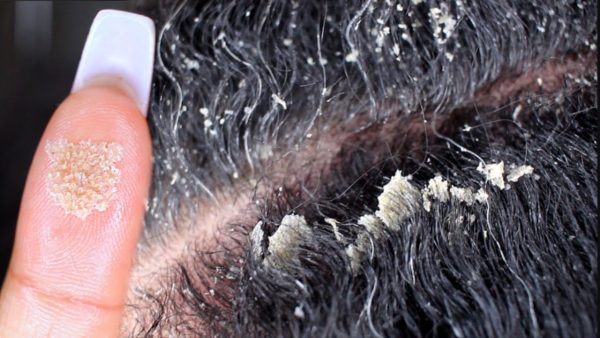
Dandruff is a common scalp condition that affects millions of people worldwide, often causing embarrassment due to the flakes that fall on clothing. However, most people have never seen dandruff on a grand scale until now. The biggest dandruff flake ever recorded has garnered attention, not for its size, but for its sheer uniqueness.
While exact records of the largest dandruff flake vary, it’s believed that some of the largest flakes have been the result of rare cases of seborrheic dermatitis, an inflammatory skin condition that causes heavy scaling and flaking on the scalp. These flakes can grow to remarkable sizes, sometimes resembling an entire patch of dry skin.
Biggest Dandruff Flake Ever
While it might sound like something out of a quirky science fiction novel, the biggest dandruff flake ever recorded is a real and fascinating event. In 2007, a man in the UK set a bizarre world record when he shed a dandruff flake that measured 2.5 inches in diameter. The enormous flake was discovered after a series of scalp treatments that involved extreme dryness and an intense buildup of skin cells.
While it’s an interesting and somewhat comical record, such large flakes are highly unusual and could be linked to a scalp condition that requires medical intervention. The size of the flake in this case was far beyond what most people would ever experience with normal dandruff.
Why Do Some People Get Larger Dandruff Flakes?
Larger dandruff flakes can be the result of several factors:
- Seborrheic Dermatitis: A chronic condition that causes flaky, greasy patches of skin. It can lead to larger flakes that are often yellowish and may appear on the scalp, face, or body.
- Psoriasis: This skin condition can cause the skin to build up more quickly than usual, leading to large, thick flakes on the scalp.
- Dry Scalp: Extreme dryness can lead to larger flakes, especially in the winter months when air is drier, and skin becomes dehydrated.
- Fungal Overgrowth: The Malassezia fungus, which is often found on the scalp, can sometimes grow out of control, leading to larger flakes and increased shedding.
Can You Prevent Giant Dandruff Flakes?
While you might not want to win the title for the biggest dandruff flake, there are steps you can take to minimize your chances of experiencing excessive flaking:
- Use a Dandruff Shampoo: Look for shampoos containing active ingredients like zinc pyrithione, selenium sulfide, or ketoconazole. These ingredients can help control dandruff and reduce flake buildup.
- Moisturize Your Scalp: Dry skin can contribute to larger flakes. Using a moisturizing shampoo or a scalp oil treatment can help keep your scalp hydrated.
- Avoid Irritants: Harsh hair products or frequent washing with hot water can strip your scalp of its natural oils, exacerbating dryness. Opt for gentle, soothing products to maintain scalp health.
- Consult a Dermatologist: If you notice unusually large flakes, it could be a sign of an underlying skin condition like psoriasis or seborrheic dermatitis. A dermatologist can offer a diagnosis and recommend appropriate treatments.
Frequently Asked Questions About the Biggest Dandruff Flake Ever
1. What is the biggest dandruff flake ever recorded?
The largest dandruff flake ever recorded measured 2.5 inches in diameter and was discovered in 2007. This extraordinary flake was the result of severe scalp dryness and an unusual buildup of skin cells.
2. Can dandruff flakes get that big?
While most dandruff flakes are small and manageable, certain conditions, such as seborrheic dermatitis or psoriasis, can lead to unusually large flakes. In rare cases, flakes can grow to impressive sizes.
3. Why do some people have larger dandruff flakes?
Larger flakes can be caused by conditions like seborrheic dermatitis, psoriasis, or fungal overgrowth. Dry scalp and improper hair care practices may also contribute to larger flakes. These conditions lead to the buildup of dead skin cells on the scalp, which results in more significant flake shedding.
4. Is the biggest dandruff flake a sign of a medical issue?
Yes, unusually large dandruff flakes could be a sign of a scalp condition like seborrheic dermatitis, psoriasis, or fungal infections. If you experience persistent or large flakes, it’s a good idea to consult a dermatologist for diagnosis and treatment.
5. Can you prevent giant dandruff flakes?
While rare, large dandruff flakes can be prevented by maintaining a healthy scalp. Using dandruff shampoos, moisturizing your scalp, avoiding harsh products, and regularly washing your hair can help reduce the likelihood of large flakes. In cases of severe dandruff, consulting a healthcare professional is recommended.
6. How can I treat large dandruff flakes?
Treating large flakes involves addressing the root cause. Using shampoos with active ingredients like zinc pyrithione, ketoconazole, or selenium sulfide can help control dandruff. For underlying conditions like psoriasis, a dermatologist may recommend targeted treatments.
7. Are giant dandruff flakes dangerous?
Giant dandruff flakes themselves are not dangerous but can indicate an underlying scalp condition that requires treatment. If left untreated, conditions like seborrheic dermatitis or psoriasis can lead to more severe symptoms, including hair thinning or scalp inflammation.
8. Can giant dandruff flakes lead to hair loss?
While dandruff alone doesn’t typically cause hair loss, severe dandruff or underlying conditions like seborrheic dermatitis or psoriasis may lead to scalp inflammation, which, over time, could affect hair growth. Proper treatment can help prevent this from happening.
Conclusion
The story of the biggest dandruff flake ever serves as a reminder that dandruff, while common, can sometimes be a sign of something more serious. Most dandruff flakes are small and manageable, but larger flakes could indicate a need for a more tailored approach to scalp care. Whether you’re dealing with minor flakes or something more severe, there’s no reason to let dandruff affect your confidence — proper care and treatment can help you manage the condition effectively.
Leave a Reply